Why we stopped specifying Italian marble for kitchen counters
After three slabs cracked in two years, we did the maths. Here's what we use now, and why.
In 2022 we built a kitchen for a client in DLF Phase 5 with a single 14-ft slab of Calacatta Borghini. It was the most expensive surface in the house — and one of the most beautiful things we've ever specified. Eighteen months later, the client called. There was a hairline crack running from the sink cut-out to the front edge.
This was the third Italian-marble counter we'd had crack within two years. None of them were our fault, exactly — they were properly bedded, the cuts were good, the substructure was solid. Marble is just brittle. And kitchens are violent places.
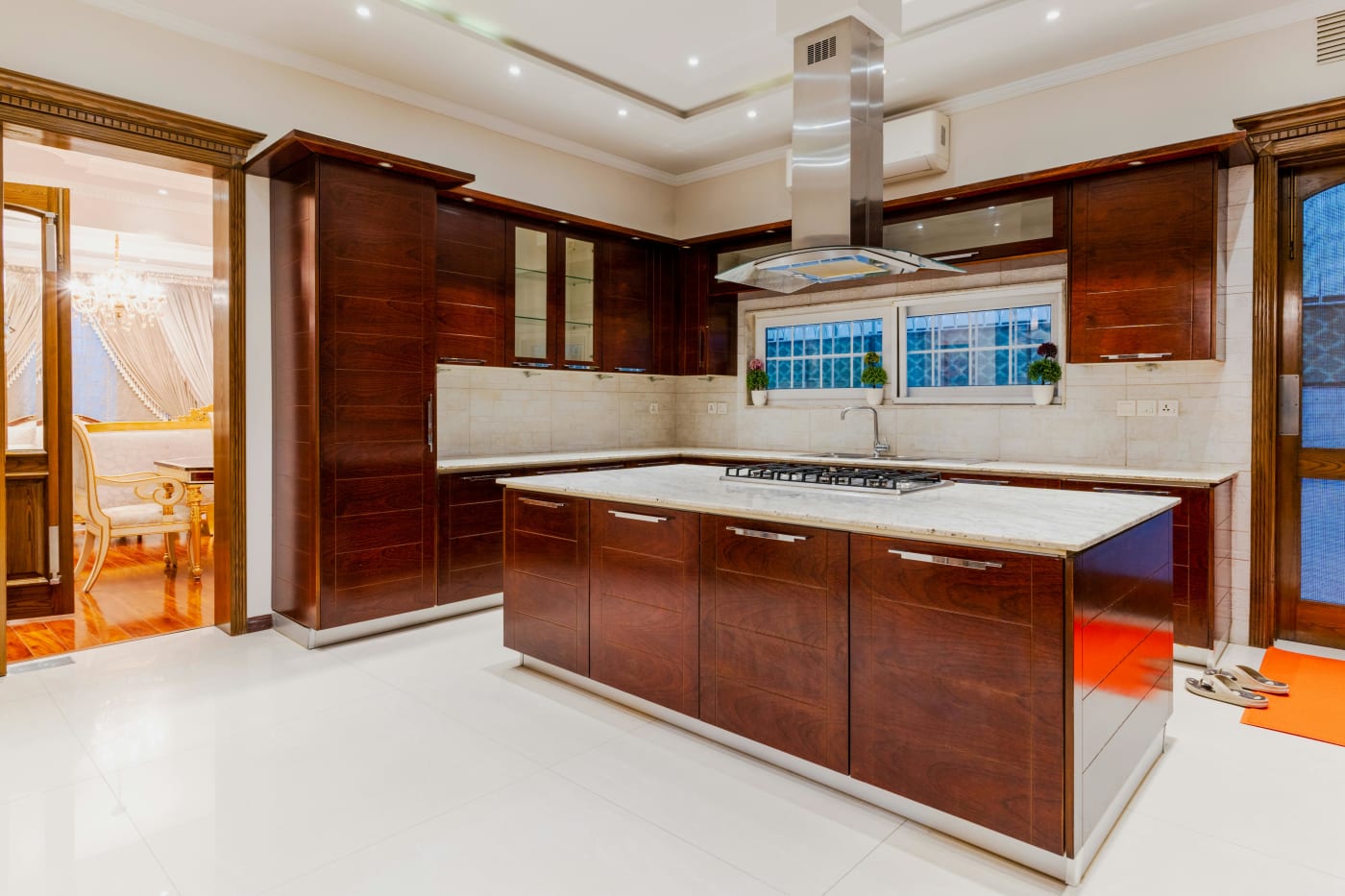
What we tried instead
For the last 18 months we've been specifying three counter materials almost exclusively: Indian quartz, sintered stone (Dekton, Lapitec), and — for the right project — properly poured terrazzo. None of them photograph as well as Calacatta. All of them outlast it by an order of magnitude.
The honest pricing
A 14-ft Calacatta slab cost the DLF client ₹3.8 lakh, fitted. The Indian quartz on the next project (which the client preferred, blind tested) cost ₹86,000. That is not a small difference. Multiplied across six projects a year, the savings funded an additional designer.